
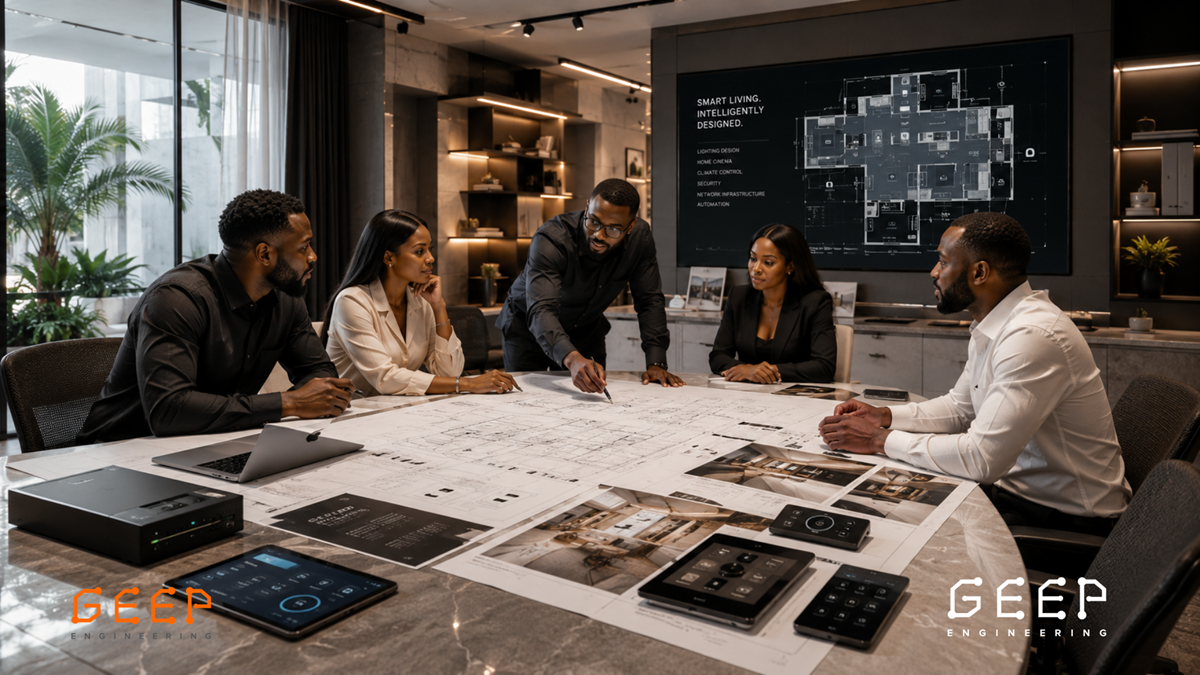
Choosing a smart home integrator in Nigeria is less about finding someone who can “install gadgets” and more about selecting a partner who will design, document, and support a system for years. The market ranges from excellent professional integrators to one-off installers who disappear after handover.
This guide is written for homeowners, developers, and facilities managers evaluating proposals in Lagos, Abuja, Port Harcourt, and other cities — with examples grounded in the realities of power, climate, staff use, and remote owners common in Nigerian premium homes.
What a Professional Integrator Actually Does
A qualified integrator should:
- Assess how you live in the space — not only what equipment you want
- Produce coherent design documentation (network, control, AV, security)
- Coordinate with electricians, architects, and interior designers
- Program unified control — scenes, schedules, and simple daily workflows
- Commission, test, and train users (including household staff)
- Provide post-handover support with clear response expectations
If a proposal is only an equipment list with labour days, you are likely buying products — not integration.
Green Flags
- Local references — verifiable projects you can visit or discuss (with privacy respected).
- Single control platform — or a deliberate, documented plan for how subsystems interact.
- Network and infrastructure on the drawing — not “we’ll use your existing Wi-Fi.”
- As-built documentation — IP plan, rack layout, cable schedule, credentials handover process.
- Support model in writing — SLAs, remote assistance, on-site visits, change requests.
- Realistic phasing — especially for renovations; avoids overpromising one-week whole-home miracles.
Red Flags
- No questions about room use, staff, sun exposure, or network layout
- Everything wireless to avoid coordination with other trades
- Brand shopping without system design — “we’ll use X because it’s premium”
- No programming line item — hardware without logic is incomplete
- Unclear warranty split between installer and manufacturer
- No local support — only overseas call centres for critical systems
- Pressure to pay 100% before commissioning is complete
Questions to Ask Before You Sign
Design and Delivery
- Who owns the system design if subcontractors disagree on site?
- How do you handle changes when interior finishes alter keypad or speaker locations?
- What is included in commissioning and user training?
- What happens if a device is discontinued in two years?
Network and Security
- How are IoT, cameras, and owner devices segmented?
- Where does remote access terminate — and who administers it?
- What is the backup plan for internet or power outages?
Support
- Who do we call when something fails on a Sunday before guests arrive?
- Are firmware updates included or billable?
- Can we expand one room at a time without replacing the platform?
Integrators who hesitate on support questions are telling you something important.
Price: Compare Scope, Not Just Totals
Two proposals with a ₦10m gap may not be comparable:
- One may include rack, UPS, programming, shading motors, and training
- Another may exclude cabling, assume owner-supplied network, and charge support hourly from day one
Ask for a scope table: infrastructure, devices, programming, commissioning, documentation, warranty, support year one.
Developers vs Owner-Occupiers
Developers often need repeatable templates, serviceability across units, and clear defect periods — not bespoke one-offs per flat unless ultra-luxury.
Owner-occupiers need tailoring to lifestyle: cinema, staff workflows, travel schedules, art and furnishing constraints.
The best integrator for a showroom penthouse may differ from the best fit for a long-term family home — ask how they adapt.
Why Local Presence Matters in Lagos
Remote programming can supplement local work, but someone must respond when:
- A breaker trip takes half the rack offline
- Staff turnover requires retraining
- ISP changes break port forwarding or VPN setup
- New sources (Apple TV, console, satellite) need integration
GEEP Engineering is based in Lagos and serves Lekki, Ikoyi, and projects across Nigeria — with support structured for real occupancy, not only launch-day demos.
After You Move In: Adoption Matters
The best system is the one everyone uses. If only one family member understands the app, automation erodes back to manual switches. Training, simplified scenes, and written quick guides — especially for staff — protect your investment.
Integrators who measure success at handover alone miss half the story. Plan a 30- and 90-day review to tune scenes and fix friction.
Further Reading on GEEP Journal
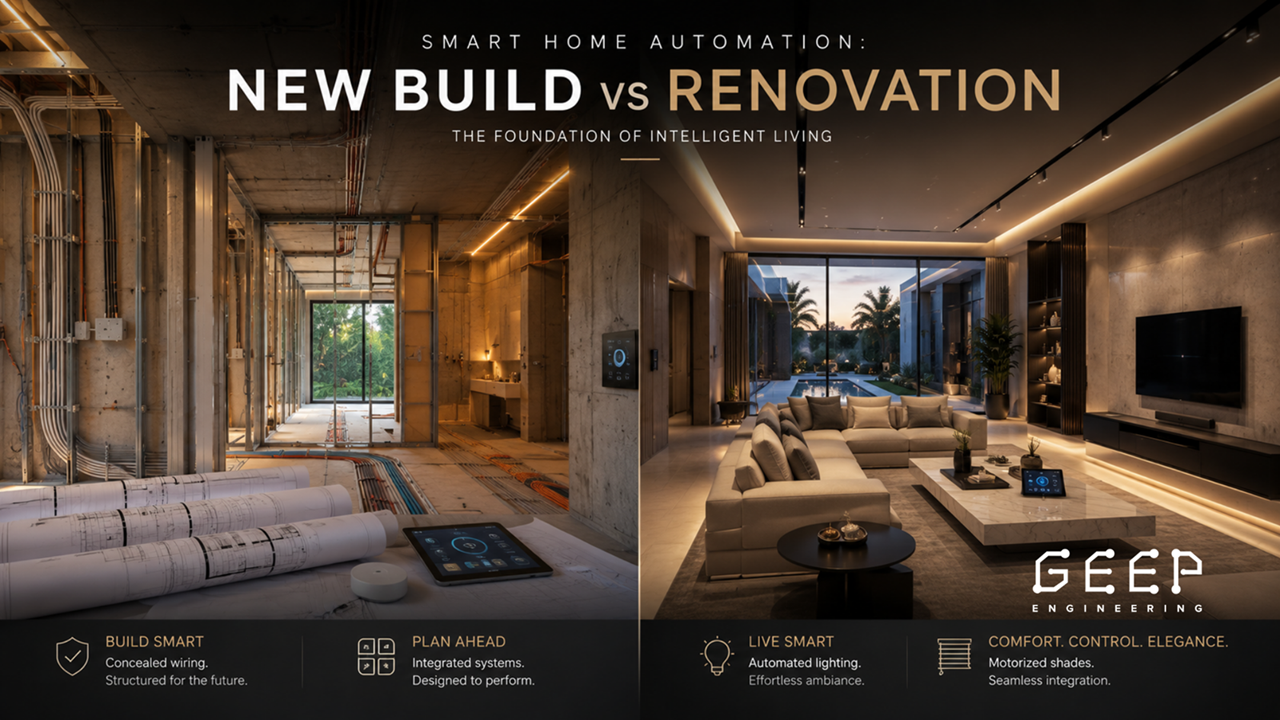
- Smart Home Automation: New Build vs Renovation
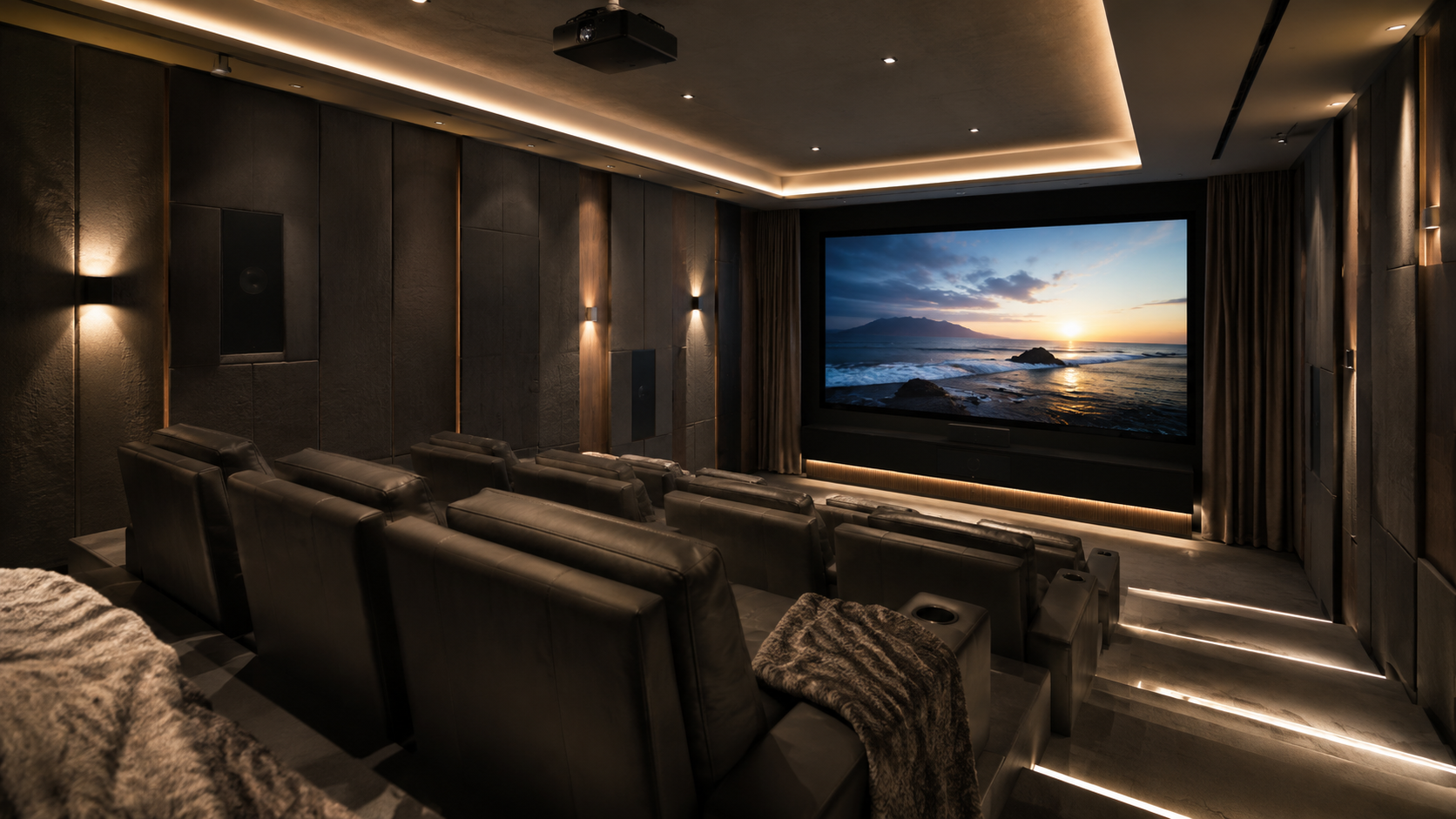
- Home Cinema Design in Lagos
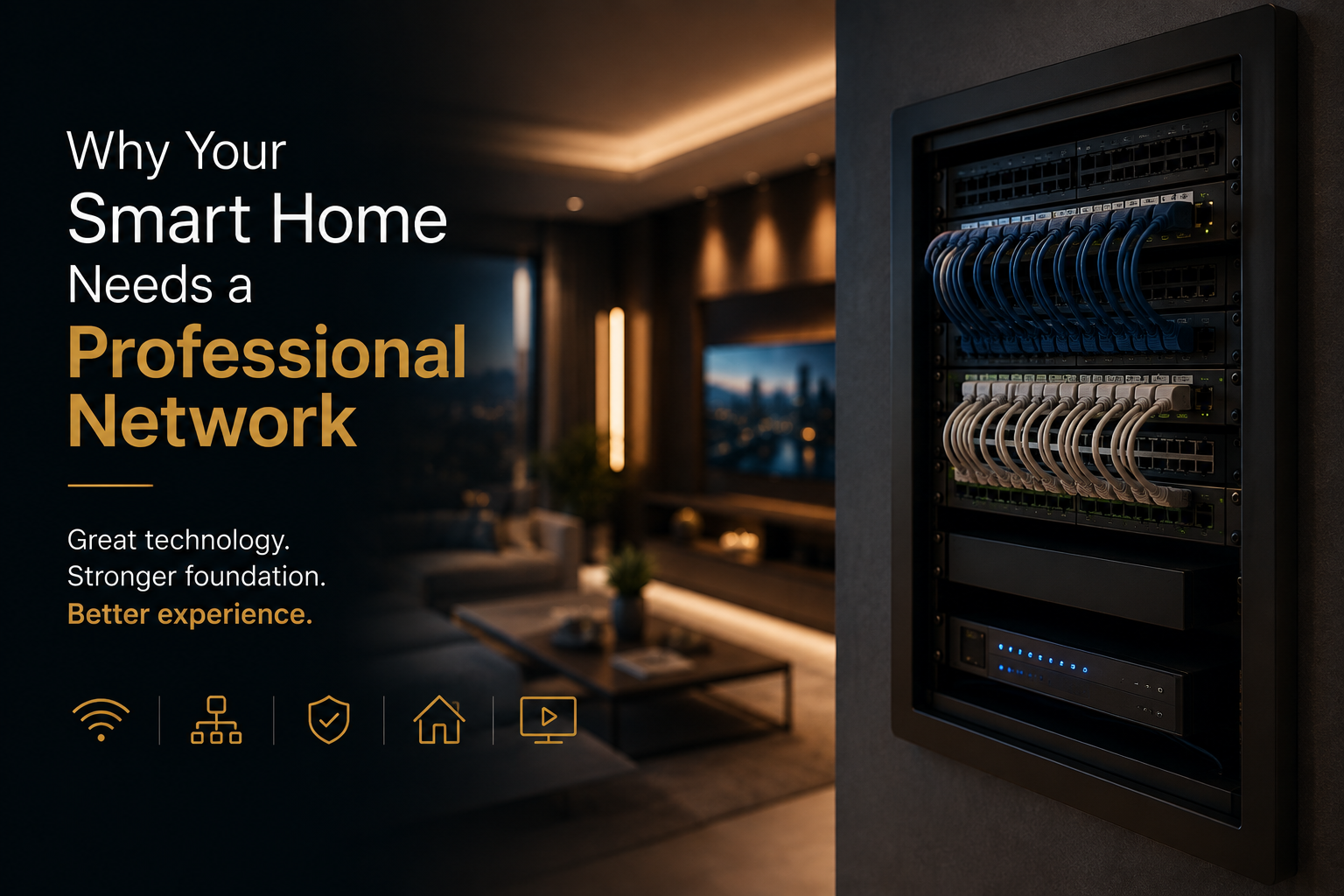
- Smart Home Networking in Nigeria
- Your AV System Should Work for You, Not the Other Way Around
Next Step
If you are comparing proposals or early in design, a short discovery call often clarifies scope faster than a generic quote. Reach GEEP Engineering via the contact page or email hello@geepengineering.com