
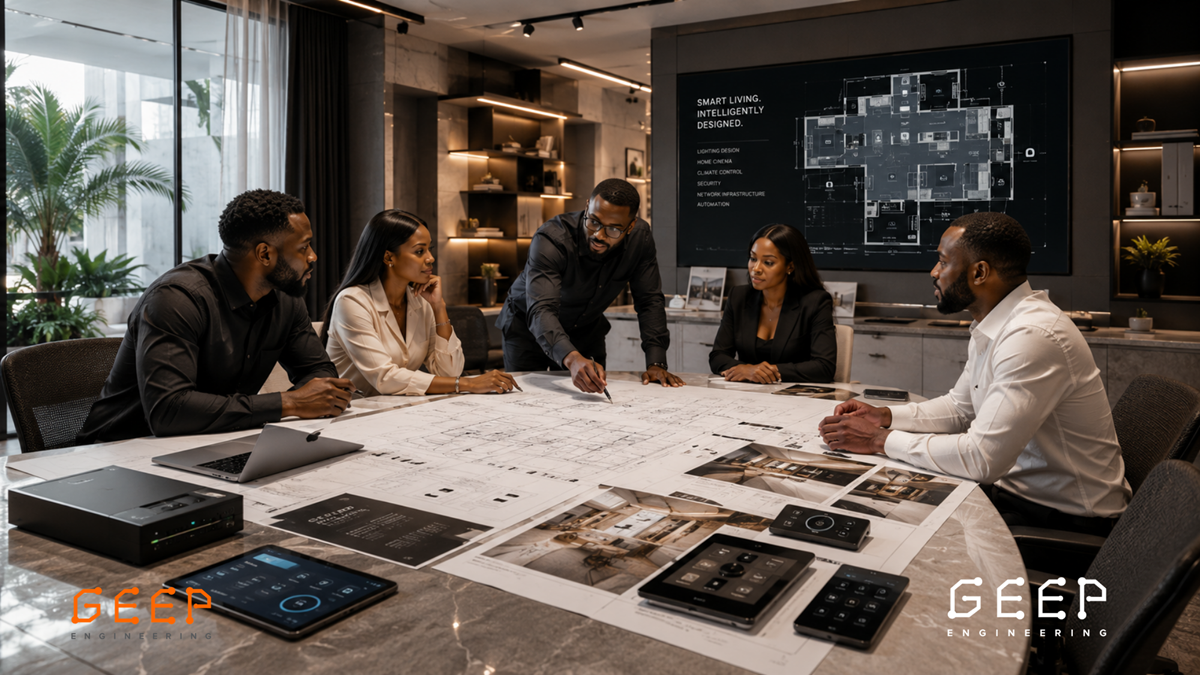
You've probably seen smart-home packages advertised at surprisingly low prices. Then you see another system costing many times more. So what exactly are you paying for?
The answer is usually more than the devices.
It's the architecture.
A low-cost smart-home solution might provide exactly what the homeowner needs: control of a few lights, curtains, sockets or appliances.
Platforms such as Tuya and ORVIBO offer broad smart-home ecosystems covering areas such as lighting, security, shading, HVAC and scene automation.
There's nothing inherently wrong with that.
The difference is that a premium residential automation project may be designed around a much wider set of requirements.
What adds to the cost?
1. Better hardware
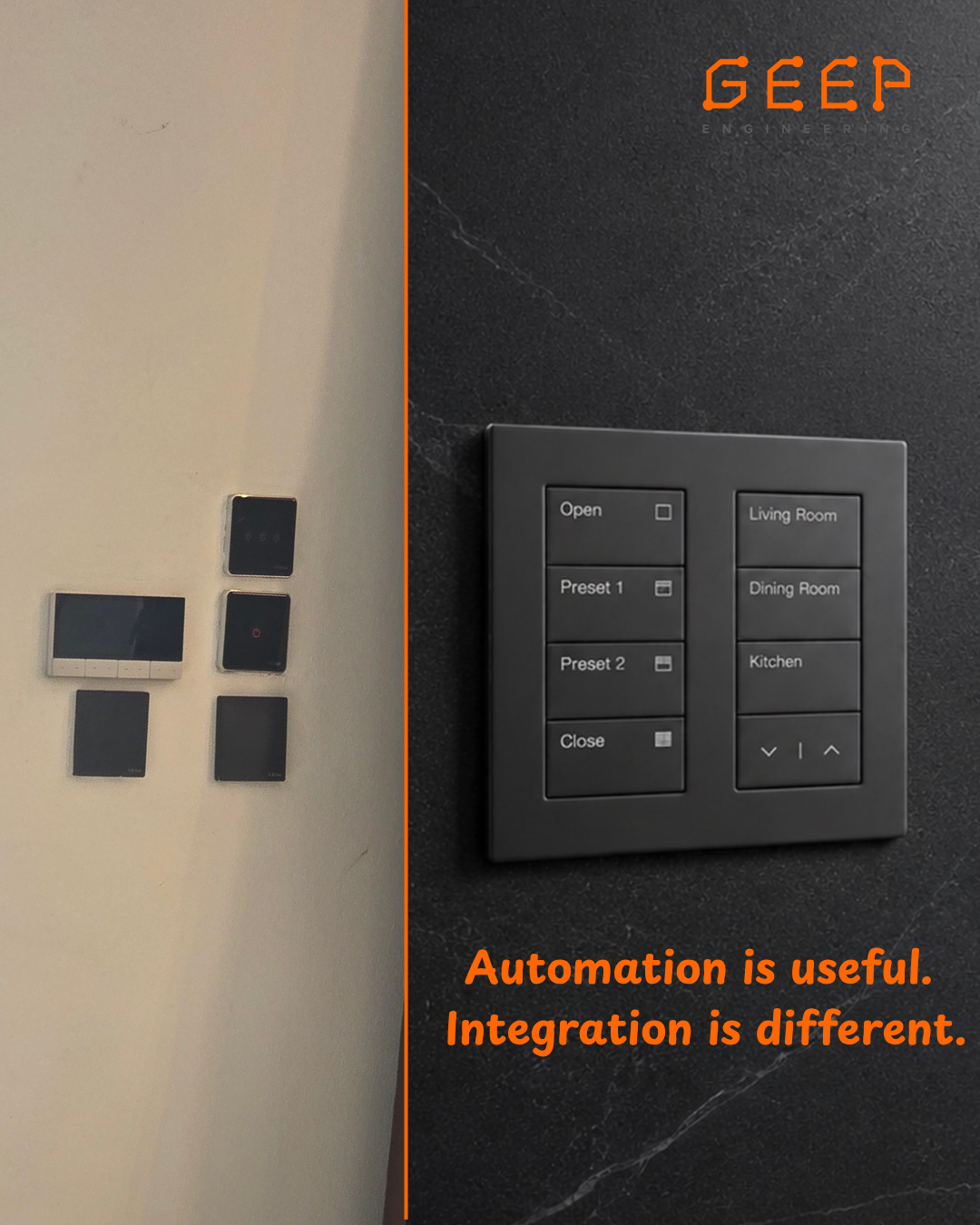
Premium keypads, lighting controls, AV equipment, sensors, and controllers can cost significantly more than basic consumer devices.
2. Professional system design
The system needs to be planned around the architecture, electrical design, room usage, and lifestyle of the homeowner.
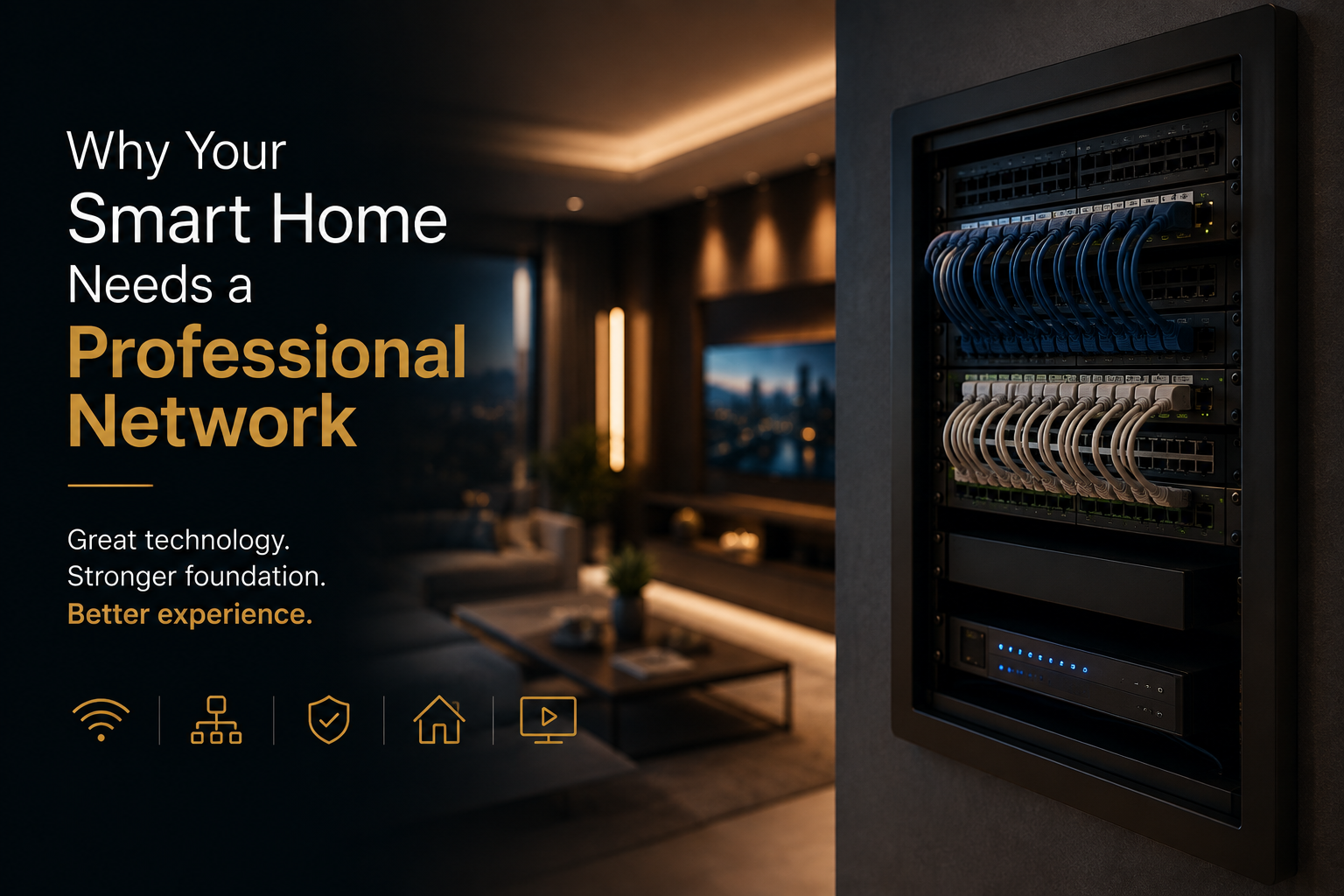
3. Networking infrastructure
A sophisticated smart home depends on reliable communication between its devices and systems.
4. Integration
Getting one system to control another is not the same as simply installing both. The communication protocol, programming, interfaces, triggers, and scenes all need to work correctly.
5. Commissioning
A premium installation shouldn't stop when everything powers on. Systems need to be tested, configured and refined.
6. Support and scalability
A good system should be maintainable and expandable as the home changes.
So why can the price difference be so large?
Because you aren't necessarily comparing:
Cheap switch vs expensive switch.
You're often comparing:
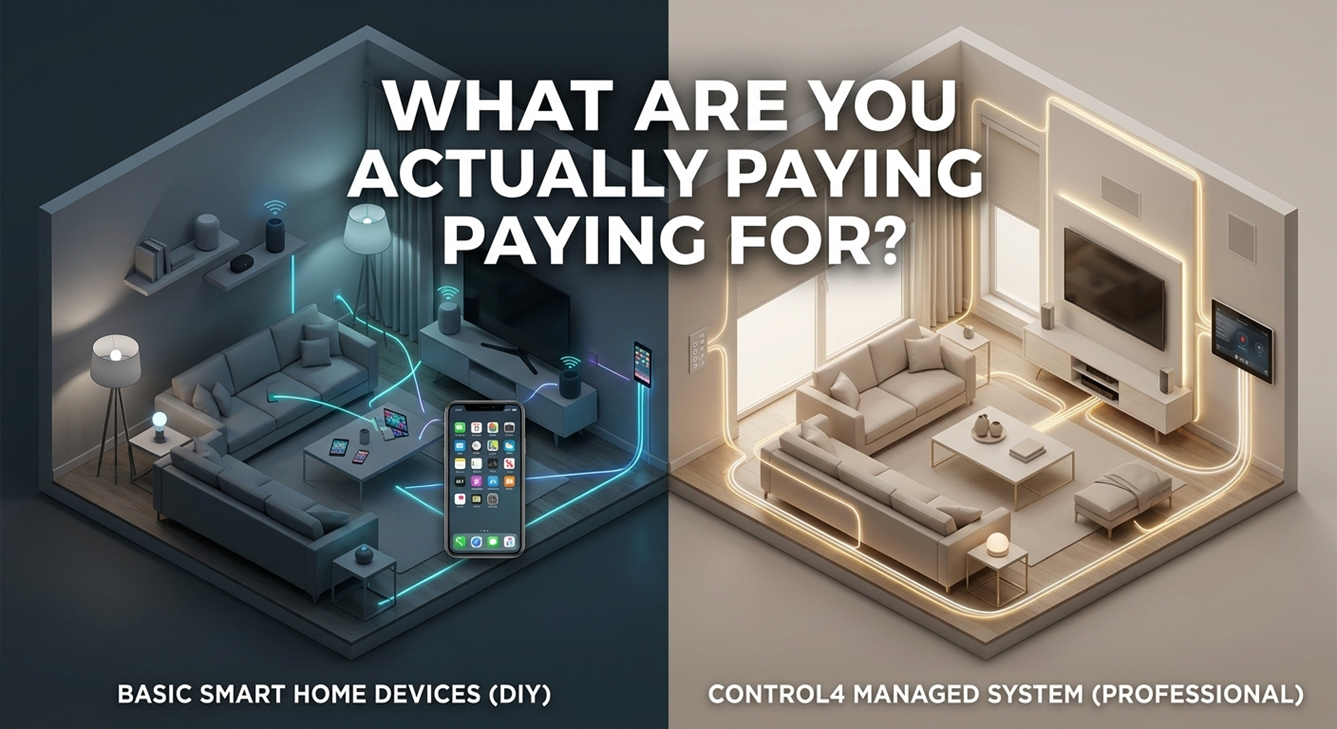
Individual products vs an engineered residential technology system.
That's a very different proposition.
A premium smart home may include the products, network infrastructure, control architecture, programming, installation, integration and ongoing support required to make everything behave as one system.
The right question isn't “Why is it expensive?”
Ask:
“What exactly am I getting for the difference?”
That's where a proper smart-home proposal should be transparent.
At GEEP Engineering, we believe homeowners should understand what they're investing in — from the equipment and infrastructure to the integration and experience it creates.
The cheapest smart home isn't necessarily the best value.
And the most expensive one isn't automatically the best either.
The right system is the one that is properly matched to the property, the client, and the desired experience.