
A smart home can make everyday life more convenient.
Turn on your lights from your phone. Adjust the temperature. Open the curtains. Start the music.
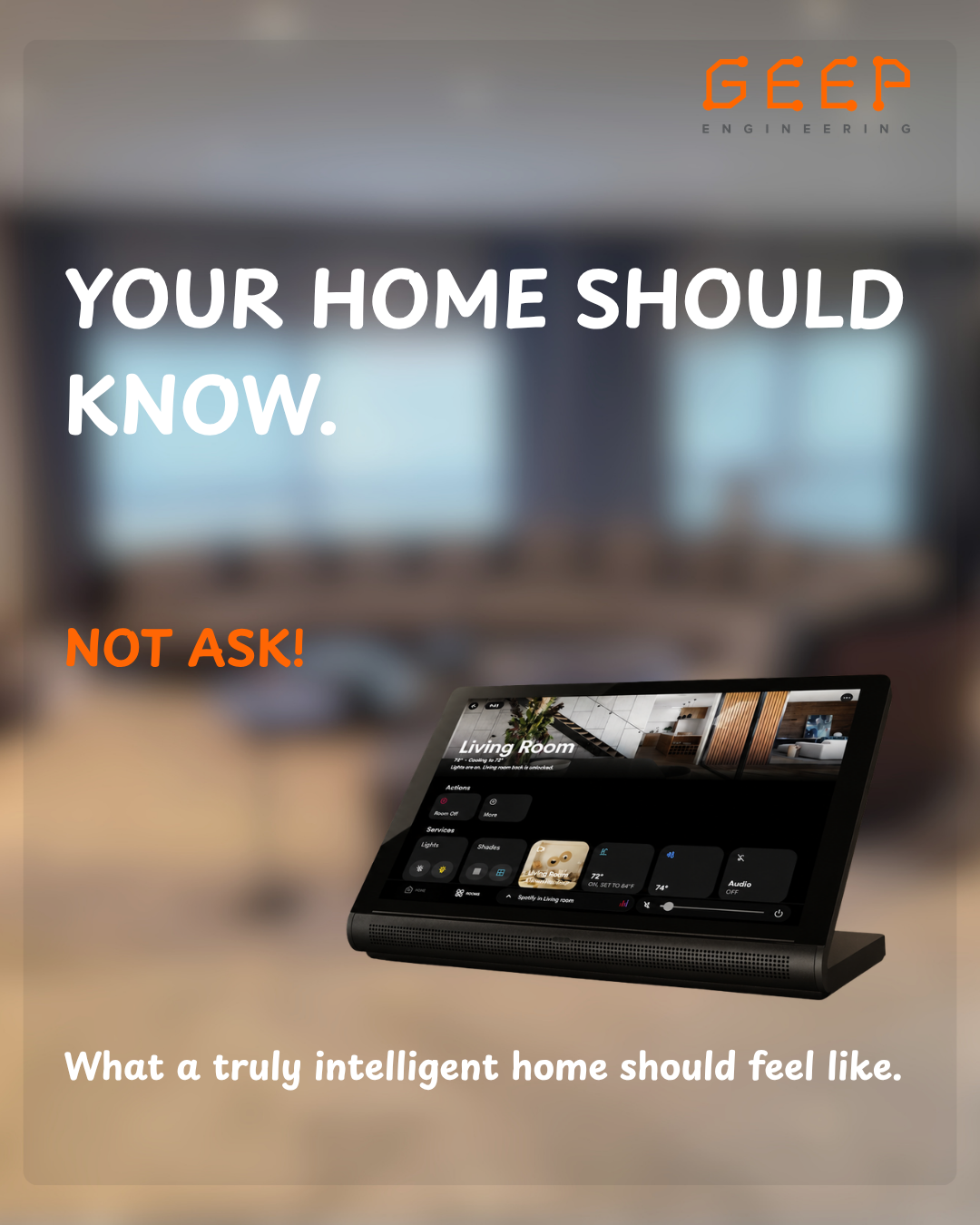
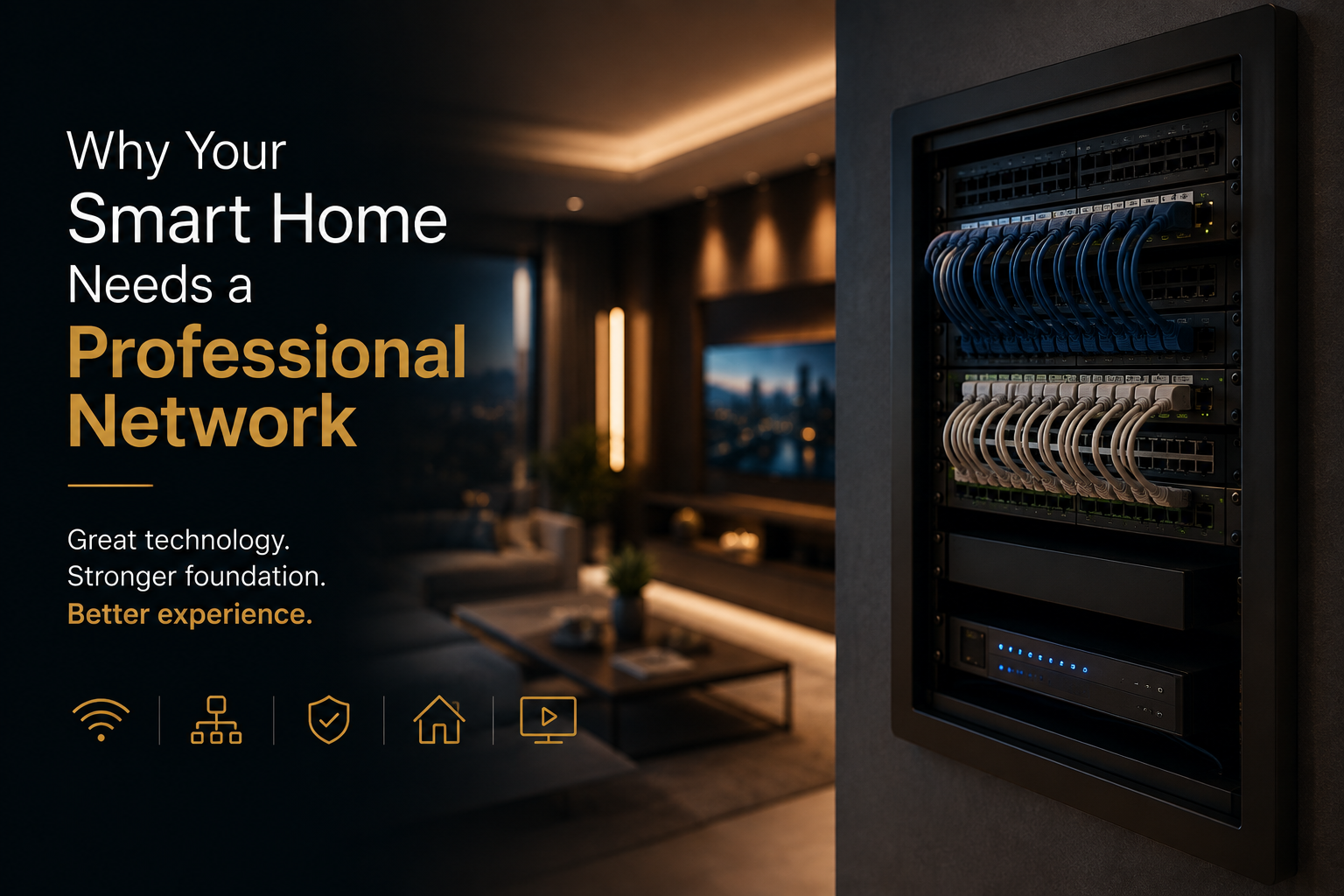
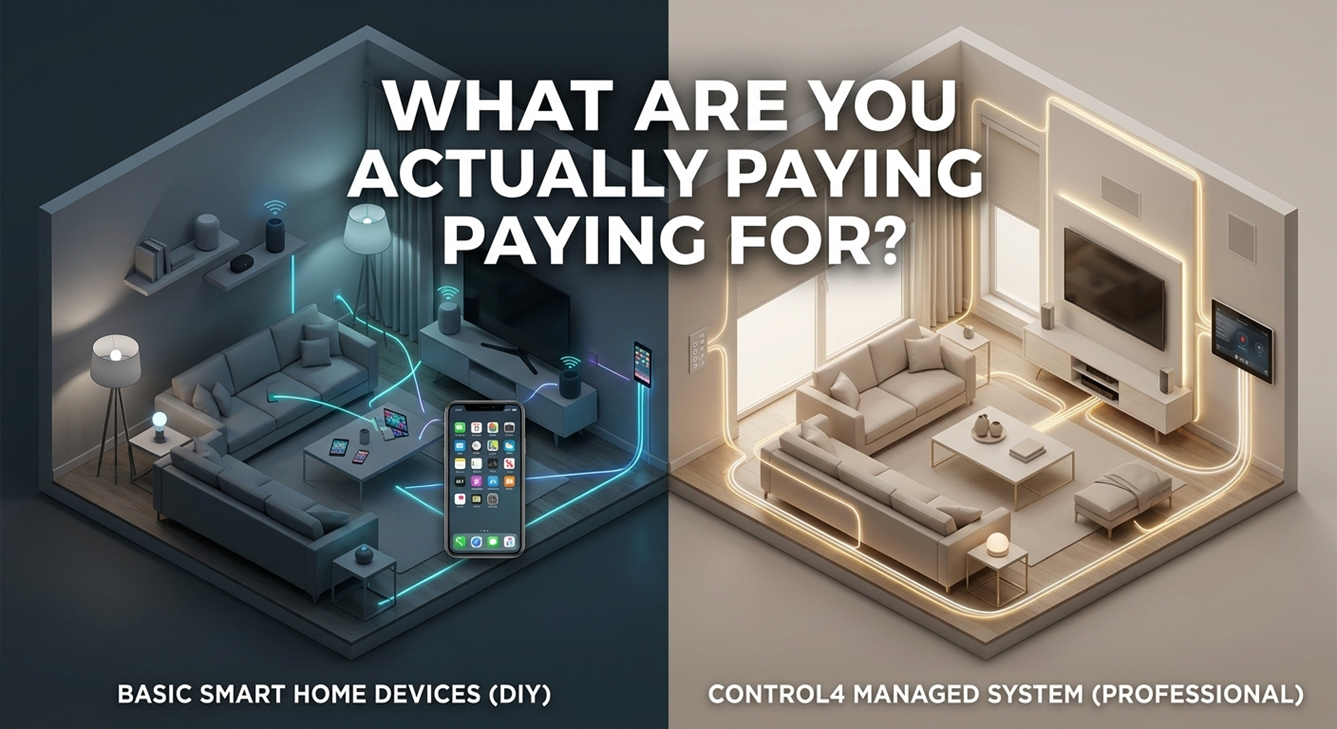
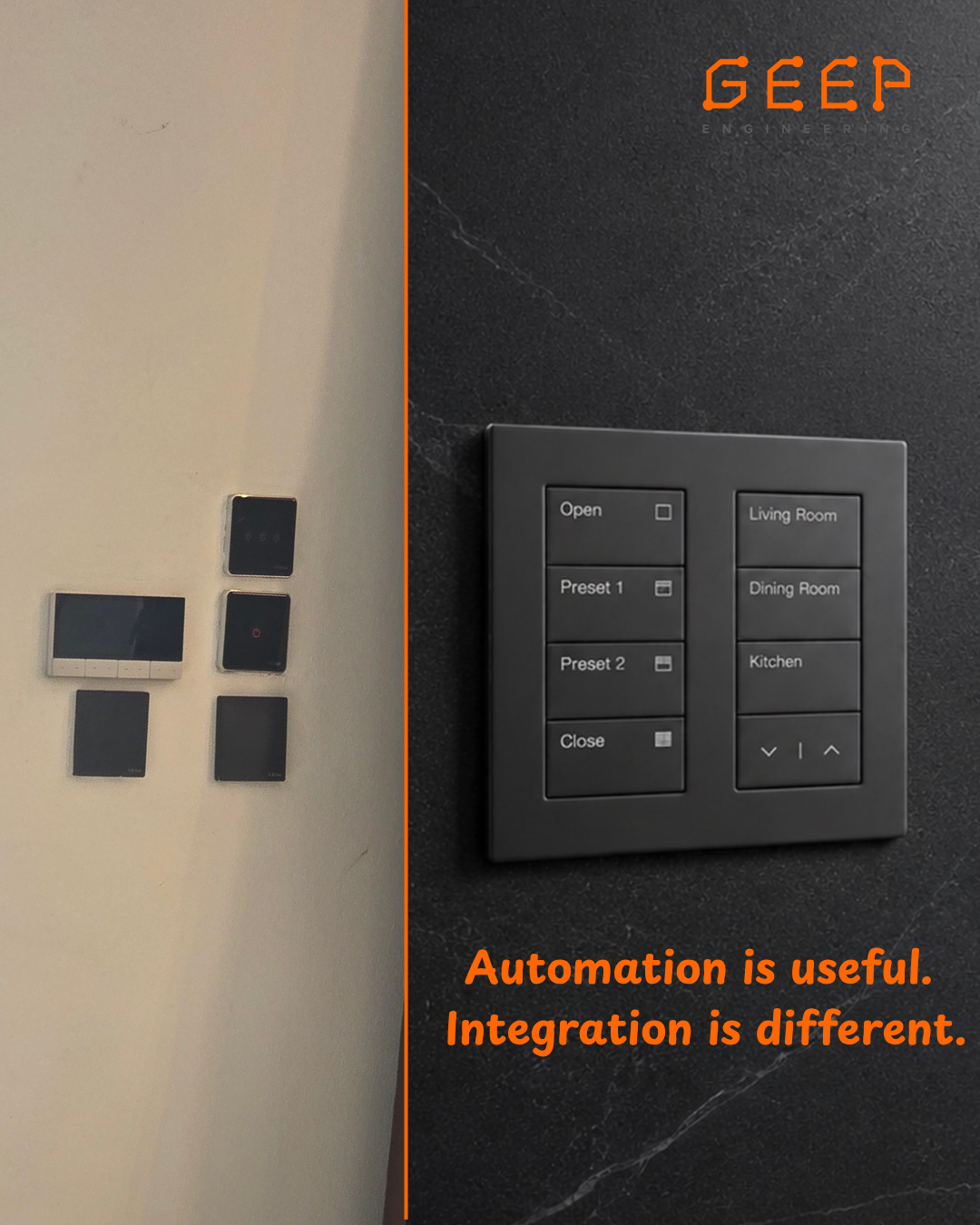
But there is a difference between having smart devices and having an integrated smart home.
That difference becomes more important as the home gets larger and the number of systems increases.
What is a smart home?
A smart home typically uses connected devices that can be controlled automatically, remotely or through an app.
You might have smart lighting, smart locks, smart cameras, smart thermostats or smart curtains.
Each product can do something useful.
The challenge is what happens when you have twenty, fifty or one hundred connected devices.
You don't necessarily have a smarter home. You may simply have more things to manage.
What is an integrated smart home?
An integrated smart home is designed so that different systems work together.
Lighting can interact with security. Shading can respond to lighting conditions. Entertainment can trigger lighting scenes. Climate control can work with occupancy and room use. Access control can trigger an arrival routine.
Instead of thinking about individual devices, the home is designed around experiences and routines.
For example:
Coming Home
You arrive.
Your access system identifies you.
The entrance opens.
Lights come on.
The temperature adjusts.
Shades move into position.
Your preferred music starts.
You didn't control six different systems.
They worked together.
That's the difference.
A basic smart home asks:
“What do you want me to do?”
An integrated smart home is designed around:
“What should happen next?”
That doesn't mean the system is magically thinking like a human. It means the automation has been deliberately designed around conditions, routines, sensors, schedules, and the way the property is used.
Platforms such as Control4 are designed to bring together lighting, entertainment, blinds and other residential systems under a unified control experience.
Lutron likewise offers systems that combine lighting, shades and other connected home controls.
Which one is right for you?
A simple smart-home setup can be perfectly suitable for a small apartment or a few individual conveniences.
An integrated system becomes more valuable when the property has multiple rooms, multiple technologies, and higher expectations for reliability, control, and scalability.
The question isn't:
“How many smart devices do I have?”
The better question is:
“How well does my home work as one system?”
At GEEP Engineering, we design smart-home and residential automation systems around the property, the technology, and most importantly, the way you live. Contact Us today
Your Home. Perfectly Orchestrated.